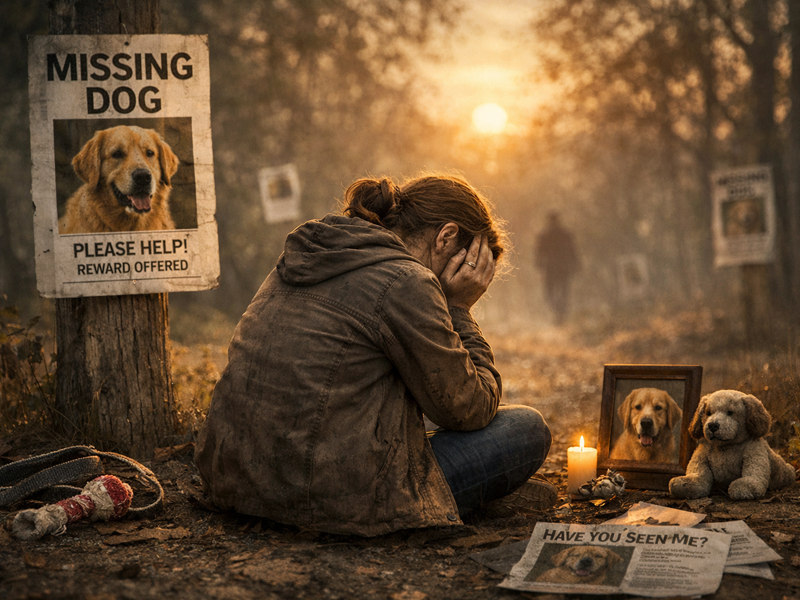
Search and recovery is not a career you choose lightly. It is a calling that settles into your bones, reshaping how you see the world, time, and loss. For more than 35 years, my life has been defined by answering calls most people never hear, calls that arrive in moments of devastation, uncertainty, and quiet desperation. Alongside me, always, were my search and recovery dogs.
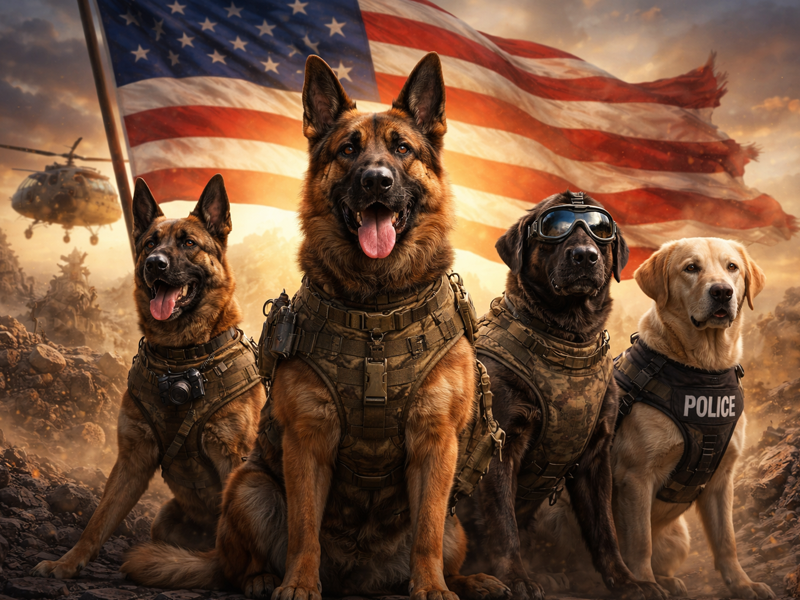
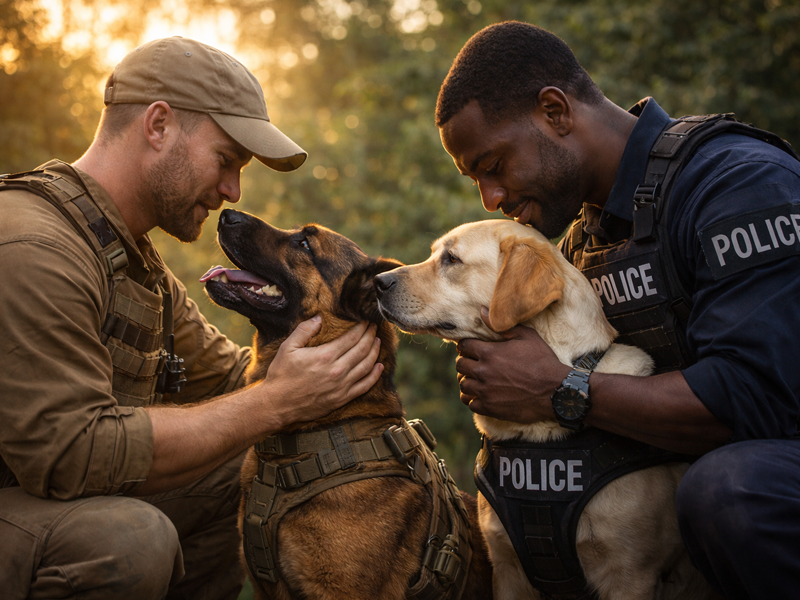
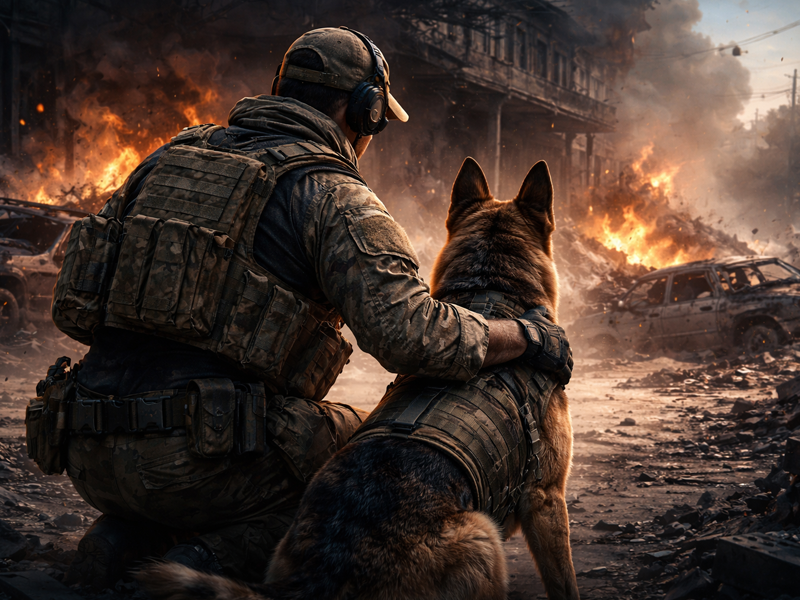
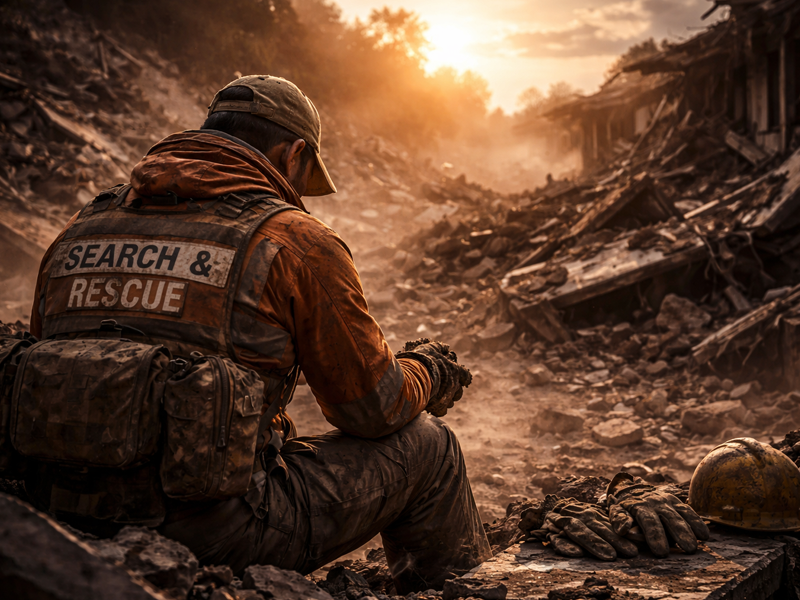
These dogs were never equipment. They were partners, protectors, and witnesses to humanity at its most fragile. Together, we entered places where hope had thinned and answers felt buried by time, terrain, or tragedy. Forests so dense they swallowed sound. Waterways that carried silence heavier than words. Disaster zones where the air itself felt broken. In those places, my dogs worked with focus and purpose, guided by instinct, training, and trust.
Search and recovery dogs, particularly human remains detection (HRD) K9s, operate in a world few understand. Their work is not about speed or spectacle. It is about patience, accuracy, and endurance. Every search requires reading subtle changes in behavior, trusting alerts, and knowing when to push forward and when to stop. Over decades, I learned that the most important skill a handler develops is listening, to the dog, to the environment, and to their own intuition.
Being a K9 handler means living with constant emotional weight. Families wait for answers that may or may not come. Law enforcement looks to you for clarity. Your dog looks to you for leadership and protection. Each search carries responsibility, not only to find the missing, but to ensure your partner returns safely. That balance is something you never stop learning.
The sacrifices are real. Time away from family. Physical exhaustion. Emotional fatigue that lingers long after a search ends. Yet the work continues because dignity matters. Closure matters. Even when outcomes are difficult, effort itself becomes an act of respect for those who are missing and those left behind.
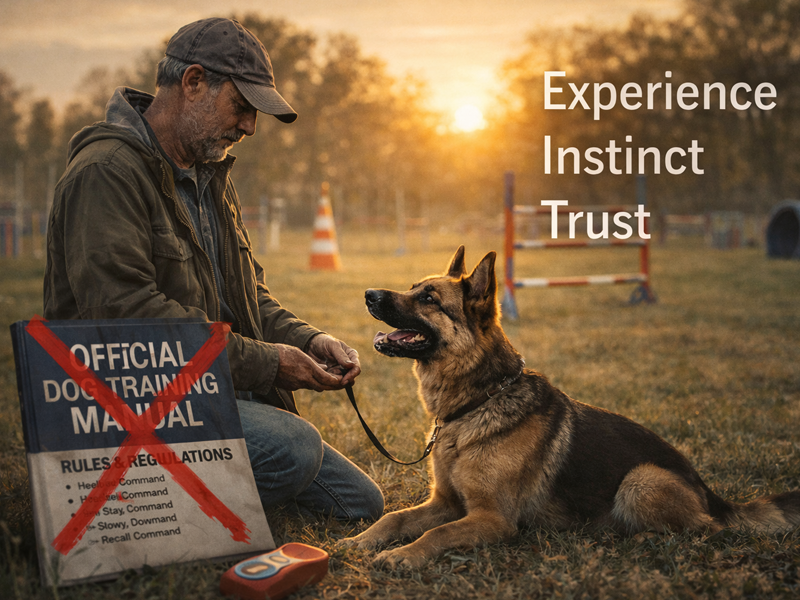
After decades in search and recovery, one truth remains constant: this work is never done alone. It is built on partnership, trust, and the quiet determination to show up when it matters most. My dogs gave everything they had, not because they understood the outcome, but because they trusted me to lead them. That trust is the greatest responsibility a handler can carry.