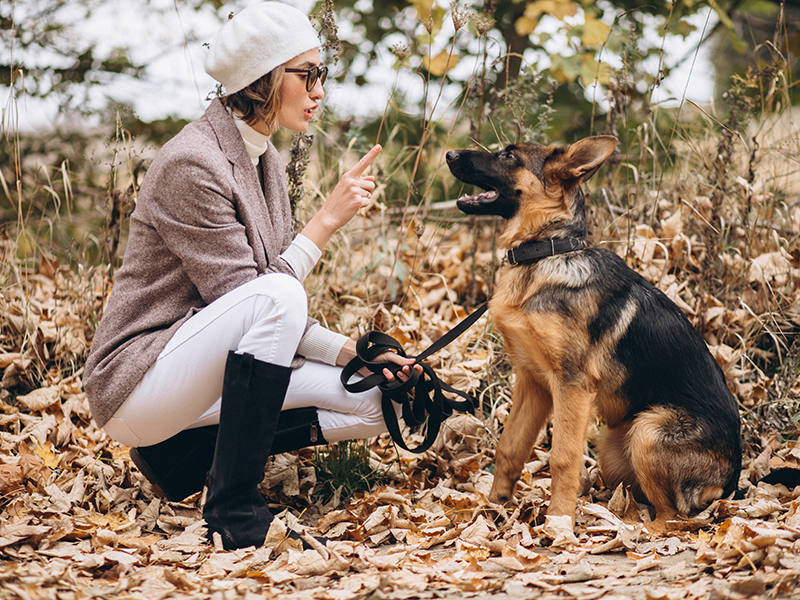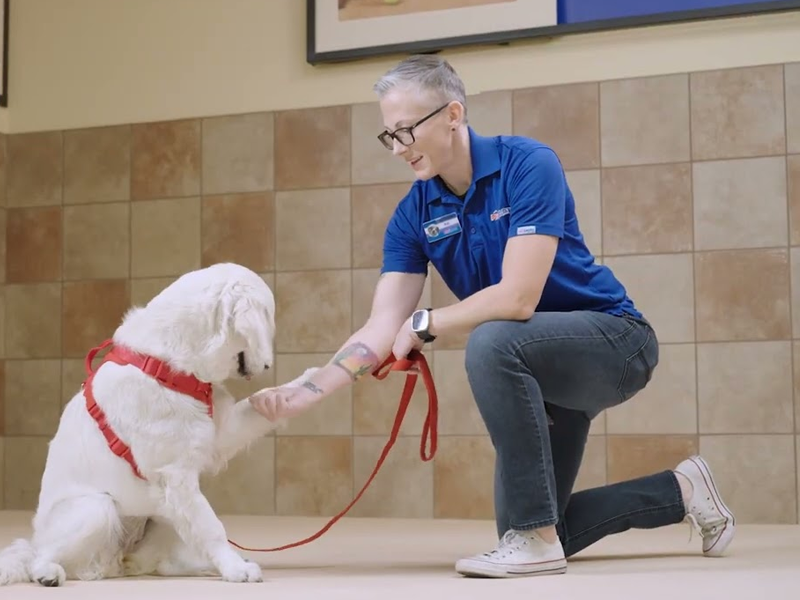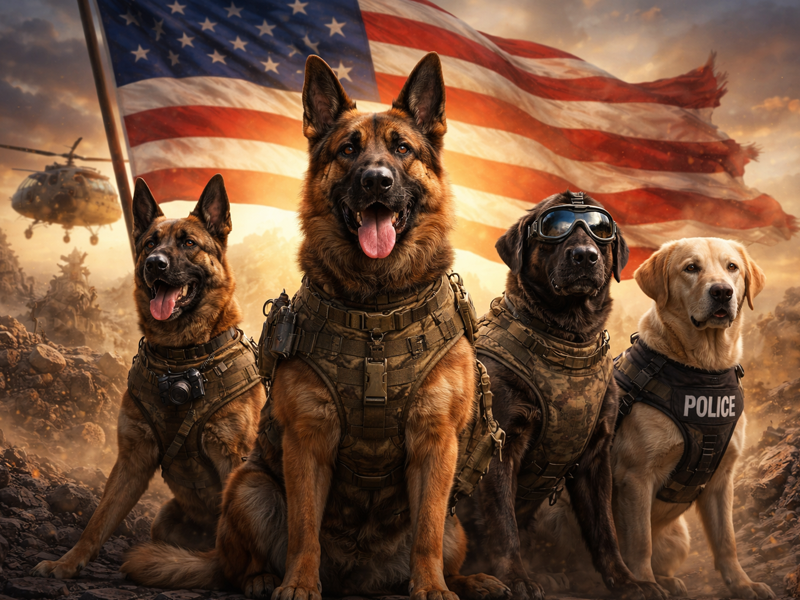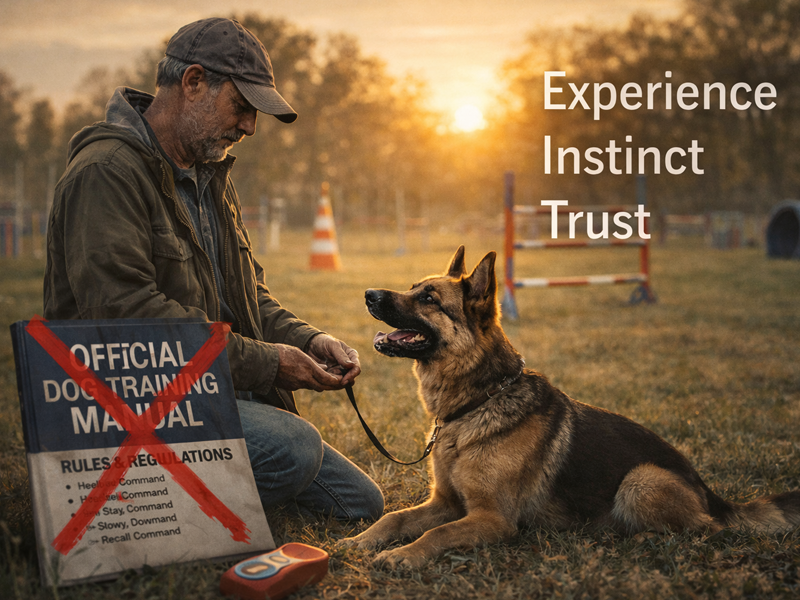
When it comes to working with dogs, there is no shortage of rulebooks. Training guides, step-by-step systems, and rigid formulas promise predictable results if followed precisely. But real life with dogs rarely fits neatly inside a manual.
Dogs are not robots. They are living, feeling beings with unique personalities, histories, fears, and strengths. What works perfectly for one dog may fail completely for another. That’s why experience matters. Time spent observing behavior, understanding body language, and recognizing subtle emotional shifts teaches far more than memorizing instructions ever could.
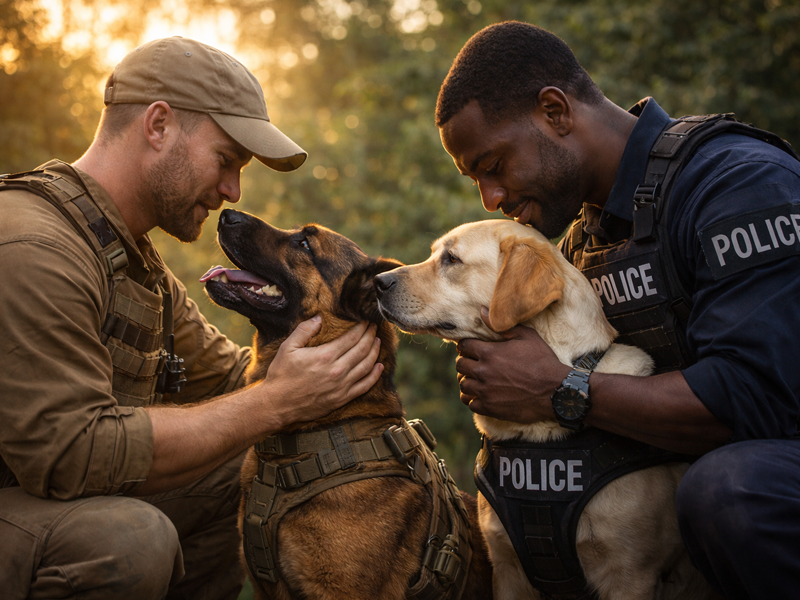
Instinct also plays a powerful role. Seasoned handlers and owners often speak about “just knowing” when a dog is stressed, overwhelmed, or ready to learn. That awareness doesn’t come from a checklist — it comes from connection. It develops through trial, error, patience, and presence.
Most importantly, trust outweighs technique. A dog that trusts you will look to you for guidance. A dog that feels safe will respond more willingly. Rules can shape structure, but trust builds partnership. Without it, even the most technically correct training methods fall flat.
This doesn’t mean knowledge isn’t valuable. Education provides a foundation. But rules should guide — not control — your approach. Flexibility, empathy, and lived experience allow you to adapt in real time.
In the end, the strongest relationships with dogs aren’t built by strictly following a manual. They are built through observation, patience, instinct, and mutual respect — one shared moment at a time.