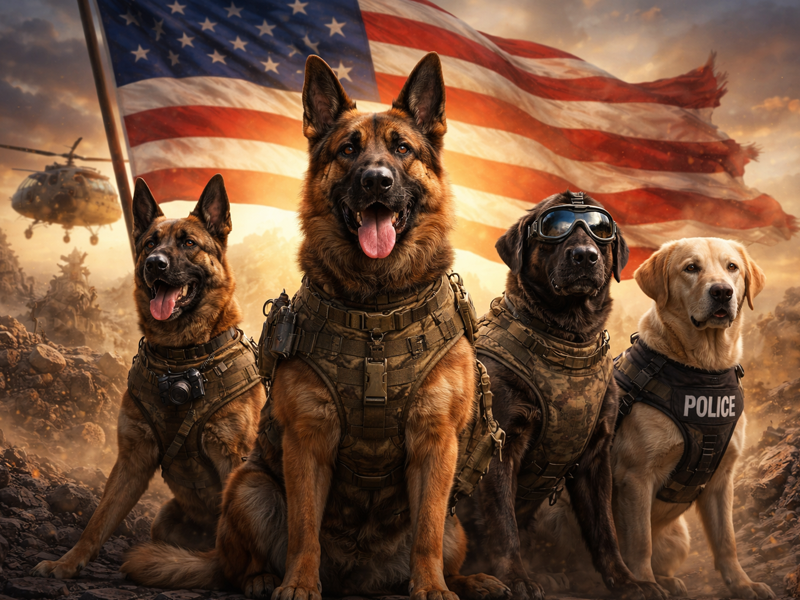
When people begin the search for a dog—whether for companionship, service, or working roles—the first question is often about breed. While breed traits can offer general guidance, the true foundation of a successful match isn’t pedigree. It’s connection, compatibility, and partnership.
Every dog is an individual. Temperament, energy level, resilience, and willingness to bond vary far more within breeds than most expect. A label can’t measure heart, and it certainly can’t predict the depth of loyalty or drive a dog may bring to a relationship. Especially in working and service roles, what matters most is the dog’s desire to engage, learn, and build trust with a handler.
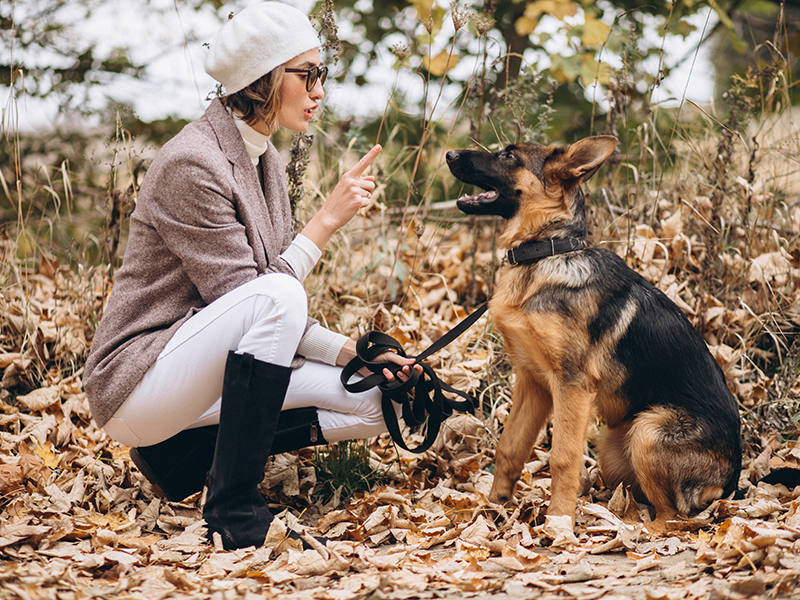
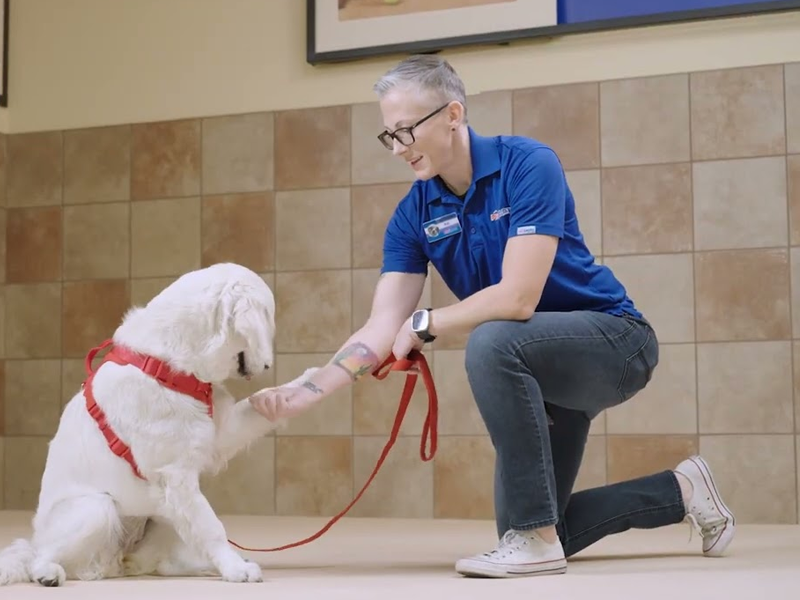
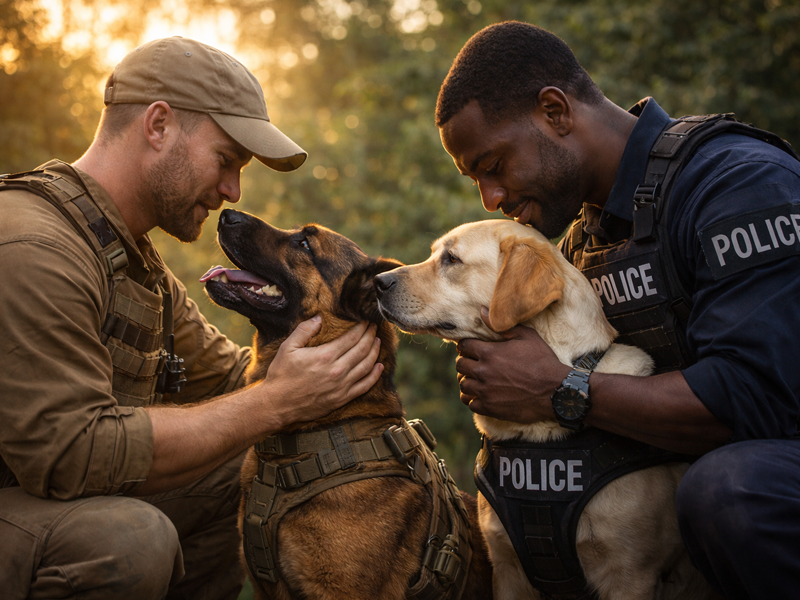
Partnership is built on communication. The right dog responds not just to commands, but to tone, body language, and emotional cues. The right match feels natural—like a conversation unfolding without words. Training can shape skills, but it cannot manufacture genuine connection.
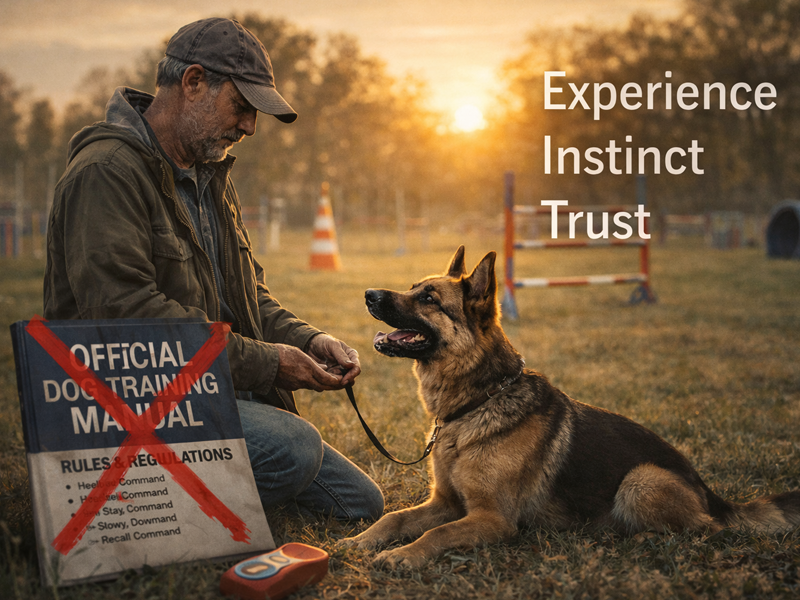
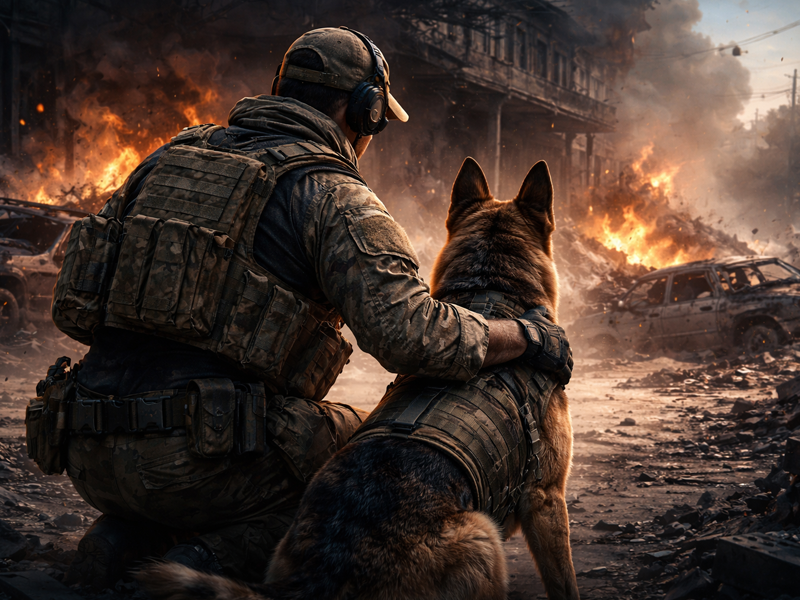
In high-stakes environments such as search-and-rescue or support work, this bond becomes even more critical. A dog that trusts its handler will push through uncertainty. A handler who understands their dog will recognize subtle signals others might miss. Together, they become stronger than either could be alone.
Choosing the right dog, then, isn’t about finding the “perfect breed.” It’s about recognizing shared energy, mutual respect, and emotional alignment. It’s about heart. When partnership leads the decision, both human and dog thrive—working not as master and pet, but as a united, loyal team.