When someone goes missing, the public sees headlines, helicopters, flashing lights, and coordinated teams moving with purpose. What we don’t often see is the quiet, personal cost carried by the people who answer the call.
Search and recovery isn’t just a job. It’s a responsibility that follows responders home, lingers in their thoughts, and reshapes how they see the world. Behind every mission is a human being absorbing the emotional, physical, and psychological weight of someone else’s worst day.
This is what search and recovery really costs.
1. The Emotional Toll No One Talks About
Every call begins with hope — but not every mission ends that way.
Search and rescue (SAR) professionals and volunteers often step into raw grief, panic, and uncertainty. They witness families waiting for news, sometimes clinging to fragile optimism. When outcomes are tragic, responders are often the bridge between loss and closure.
That moment — delivering difficult news, recovering a body, or ending a search — leaves a mark.
Repeated exposure to trauma can lead to:
- Compassion fatigue
- Secondary traumatic stress
- Anxiety and sleep disturbances
- Emotional numbness
Yet many responders feel pressure to remain composed, professional, and steady. They are trained to be strong for others — even when the emotional weight is heavy.
2. The Physical Demands of the Job
Search operations rarely happen in comfortable conditions.
They take place:
- In freezing temperatures
- Under intense summer heat
- Across rugged terrain
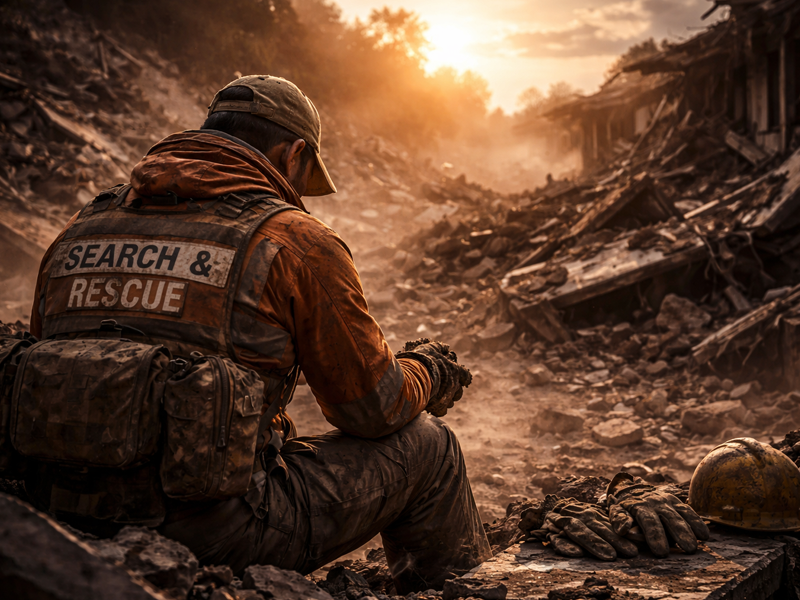
- In water, wilderness, collapsed structures, or disaster zones
Long hours, interrupted sleep, dehydration, and physical exhaustion are common. Volunteers often balance full-time jobs and family responsibilities, then spend nights and weekends searching forests, mountains, rivers, or remote landscapes.
The physical strain compounds over time — worn joints, chronic fatigue, and stress-related health issues are not uncommon.
3. The Psychological Impact of “What If”
Even after a mission ends, the mind doesn’t always rest.
Responders replay scenarios:
- Did we search that grid thoroughly enough?
- Could we have arrived sooner?
- Was there something we missed?
This “what if” loop can be relentless. Unlike many professions, search and recovery work often deals in uncertainty. The unknown can be harder to process than a clear outcome.
Over time, this can create hypervigilance — always scanning, always anticipating risk — even in everyday life.
4. The Strain on Families
When someone answers the call, their family answers it too.
Late-night departures. Missed birthdays. Cancelled plans. The unpredictability of emergency response means life is often interrupted without warning.
Spouses and children live with:
- The worry of dangerous conditions
- The emotional aftermath when responders come home quiet and withdrawn
- The unpredictability of schedules
Support systems are essential, yet they often go unrecognized.
5. The Financial Reality
Many search and rescue teams are volunteer-based or minimally funded. Equipment, training, travel, and gear are sometimes self-funded or partially reimbursed.
Responders may sacrifice income, time off work, or personal resources to participate in missions.
The public often assumes emergency response is fully funded and professionally staffed — but in many communities, it relies heavily on volunteers who give more than just their time.
6. The Hidden Cost of Caring
Perhaps the greatest cost is caring deeply.
Search and recovery professionals choose to step into uncertainty because they believe every missing person matters. They believe families deserve answers. They believe in service.
But caring comes at a price. Each mission becomes part of their story.
Some develop resilience stronger than steel. Others carry quiet scars.
Most carry both.
7. Why They Still Answer the Call
Despite the toll, they continue.
Because sometimes a search ends in rescue.
Because sometimes a family gets closure.
Because sometimes hope wins.
And because in the darkest moments, someone has to show up.
Search and recovery responders show up.
Supporting Those Who Search
If we truly value search and recovery teams, support must go beyond gratitude. It means:
- Funding mental health support
- Providing adequate training and equipment
- Recognizing volunteer contributions
- Building community awareness
- Encouraging peer support networks
Behind every successful mission is a human being who chose to care.
The next time you hear about a search operation, remember — while the mission may end, the impact on those who answered the call does not.
Because search and recovery doesn’t just cost time and resources. It costs pieces of the people who serve.