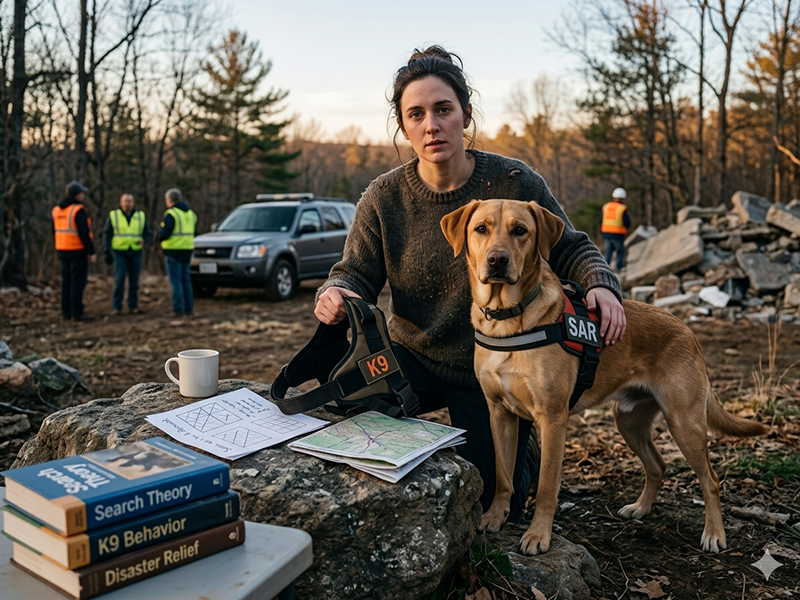
Rescue dogs are not born heroes—they are trained, guided, and nurtured into becoming lifesaving partners. Behind every successful search and recovery mission is a dedicated dog and an equally committed handler who have spent months, often years, preparing for the challenges of the field.
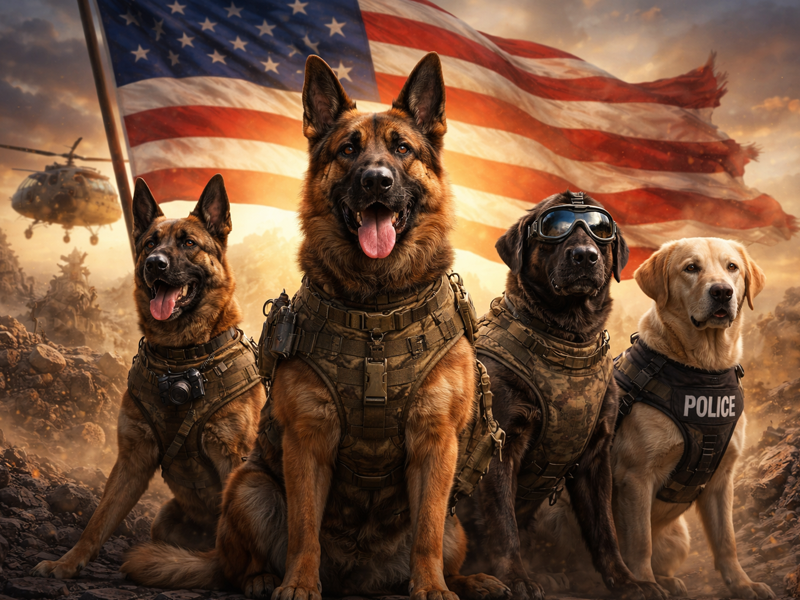
The journey begins with selecting the right dog. Breeds known for their intelligence, stamina, and strong sense of smell—such as German Shepherds, Labrador Retrievers, and Belgian Malinois—are often chosen. However, beyond breed, the dog’s temperament, energy level, and curiosity play a crucial role in determining its potential.
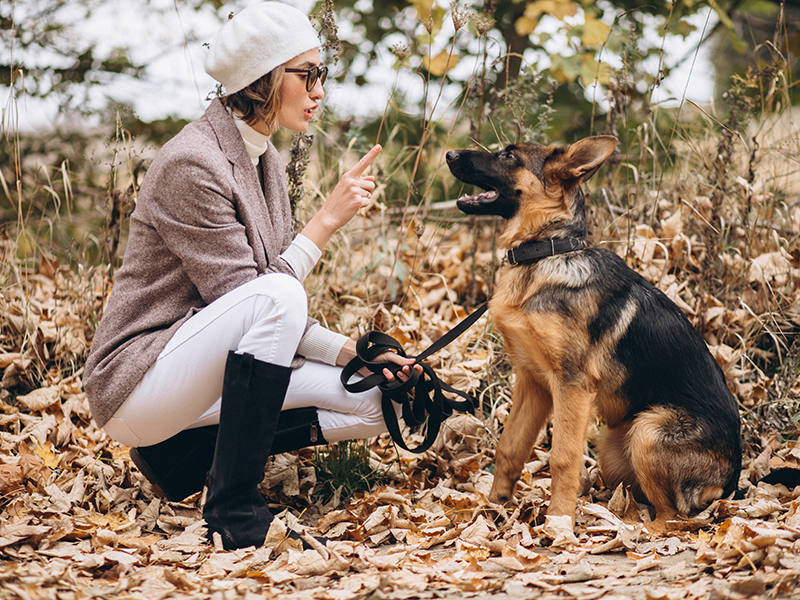
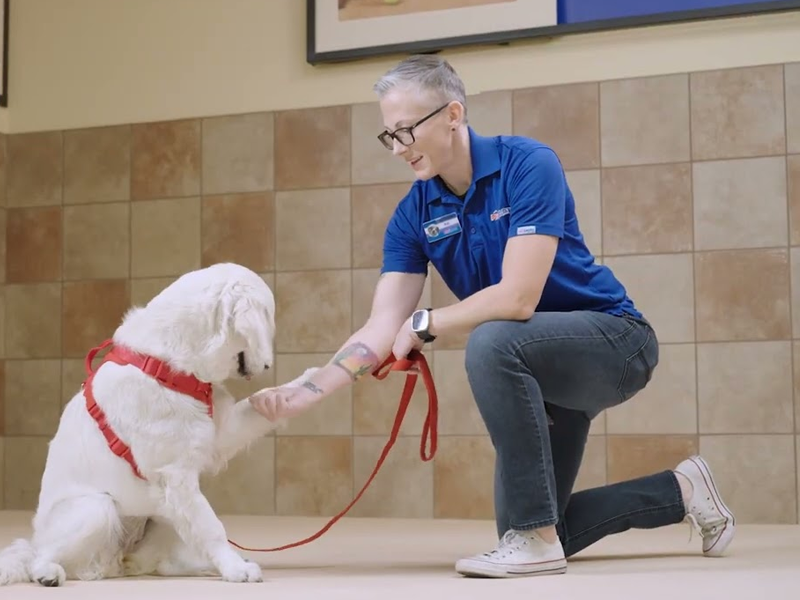
Training starts at a young age and focuses on developing the dog’s natural abilities. Through positive reinforcement techniques, dogs learn to detect specific scents, follow trails, and signal when they locate a target. What may look like play—such as searching for hidden objects—is actually the foundation of highly specialized skills.
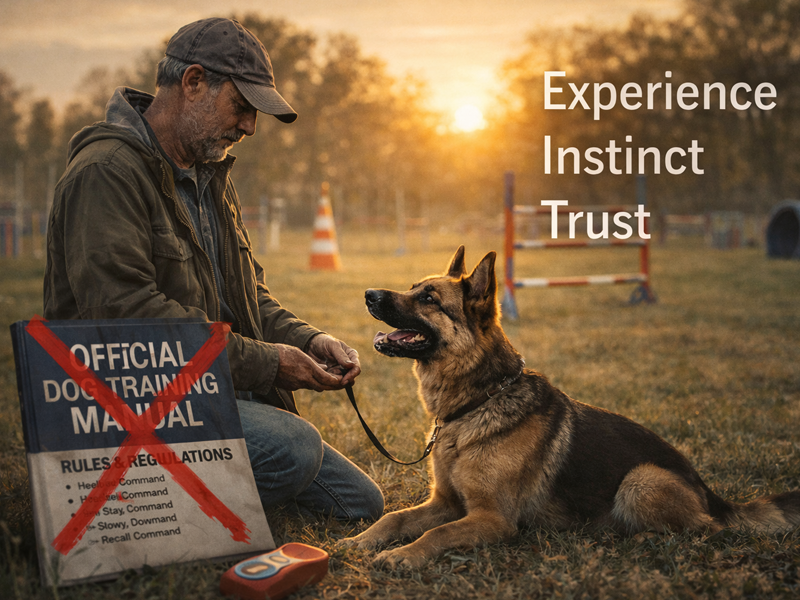
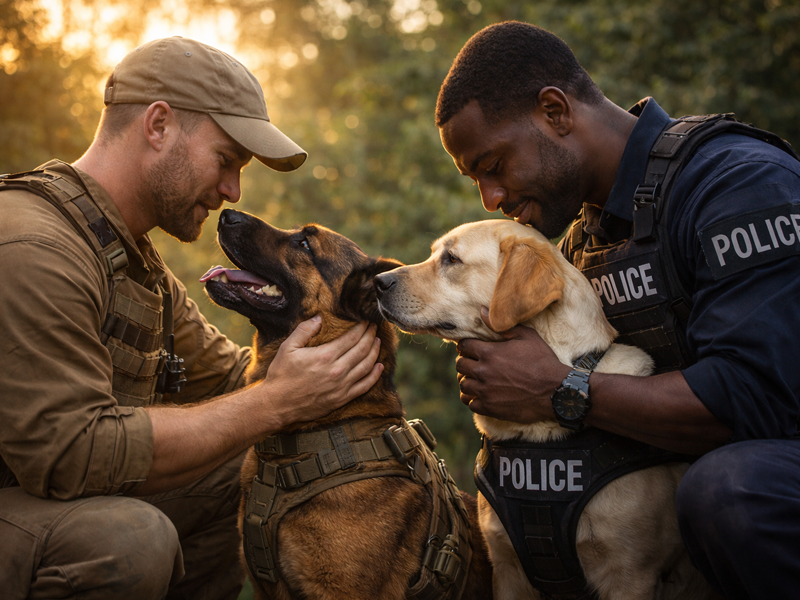
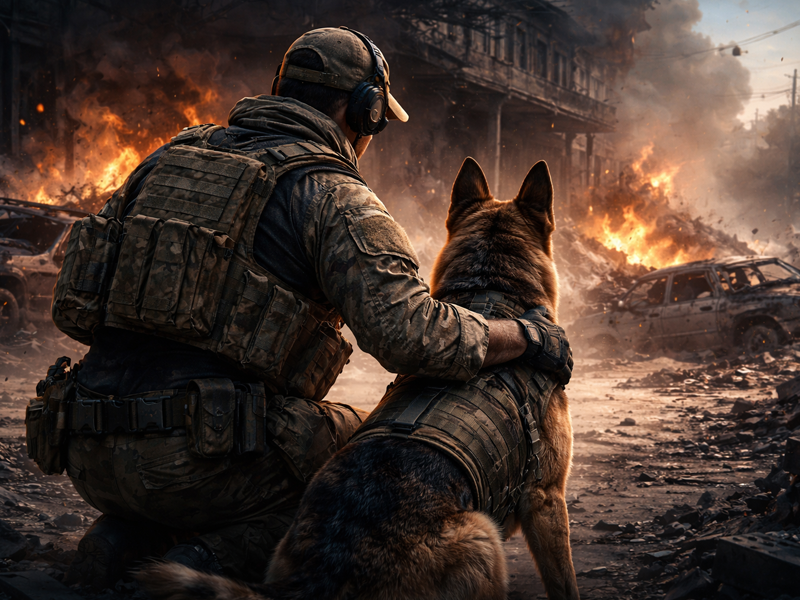
Equally important is the bond between the dog and its handler. Trust, communication, and consistency are key. Handlers learn to read subtle cues from their dogs, while the dogs rely on their handlers for direction and reassurance. This partnership becomes the backbone of every mission.
As training progresses, dogs are exposed to real-world environments—dense forests, disaster sites, and urban areas—to prepare them for unpredictable conditions. Certification tests ensure they meet the high standards required for active duty.
Becoming a search and recovery hero is not about a single moment of success. It is the result of dedication, teamwork, and relentless training—transforming capable dogs into extraordinary lifesavers.