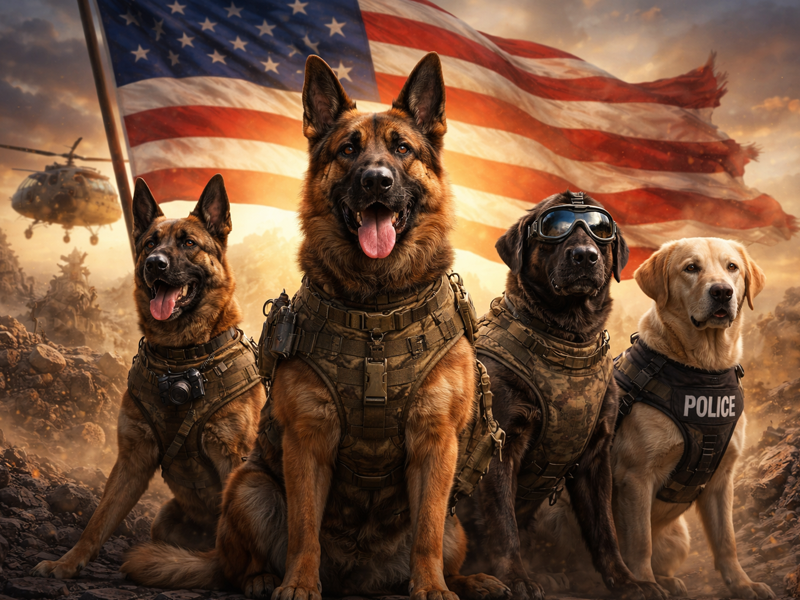
Search and recovery work is often admired for its bravery, skill, and dedication, especially when it involves highly trained research dogs. These dogs, working alongside their handlers, play a crucial role in finding missing persons, disaster victims, or critical evidence. While the work is heroic, it also carries a significant emotional burden that is often overlooked.
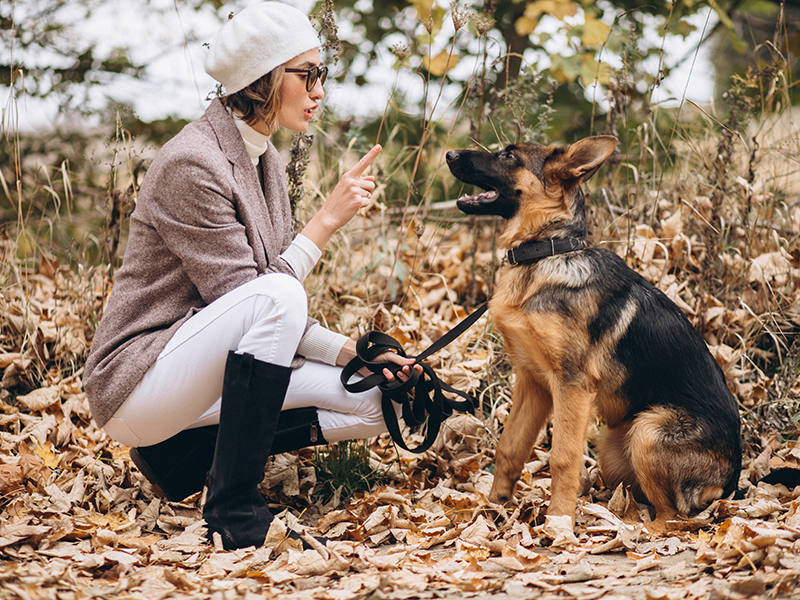
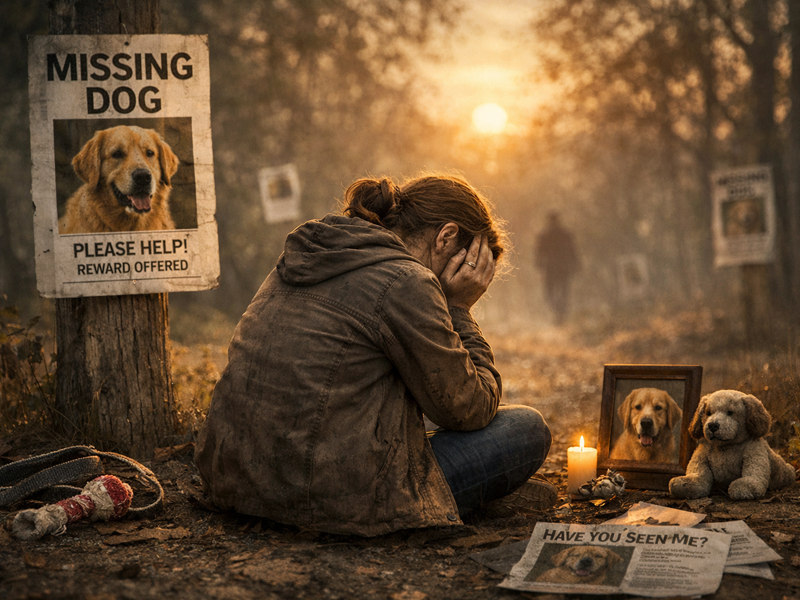
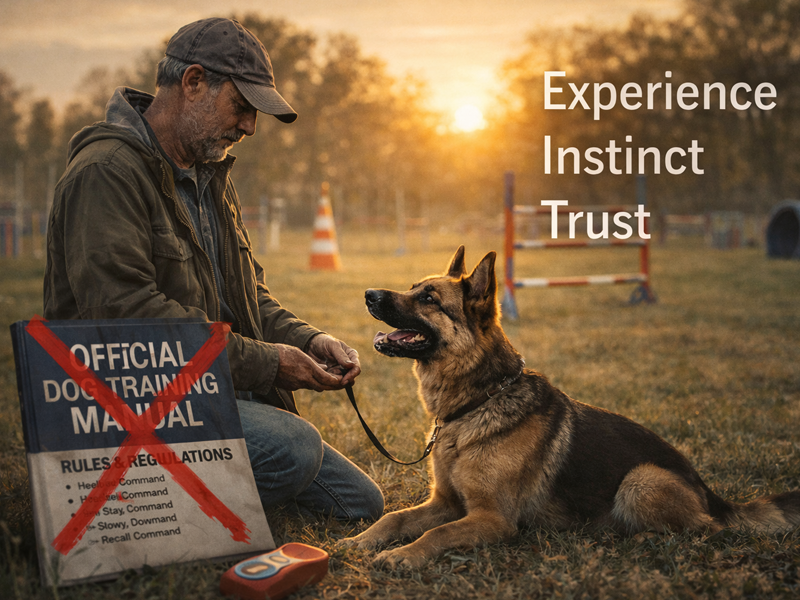
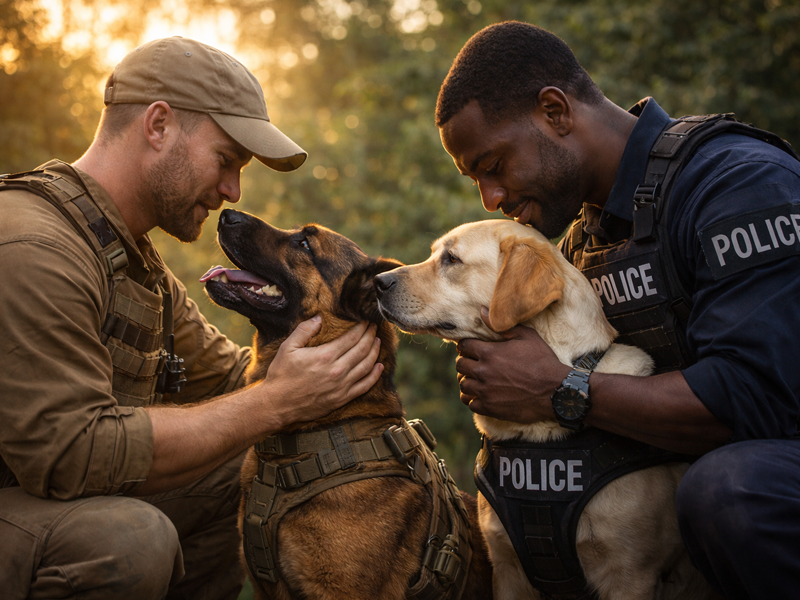
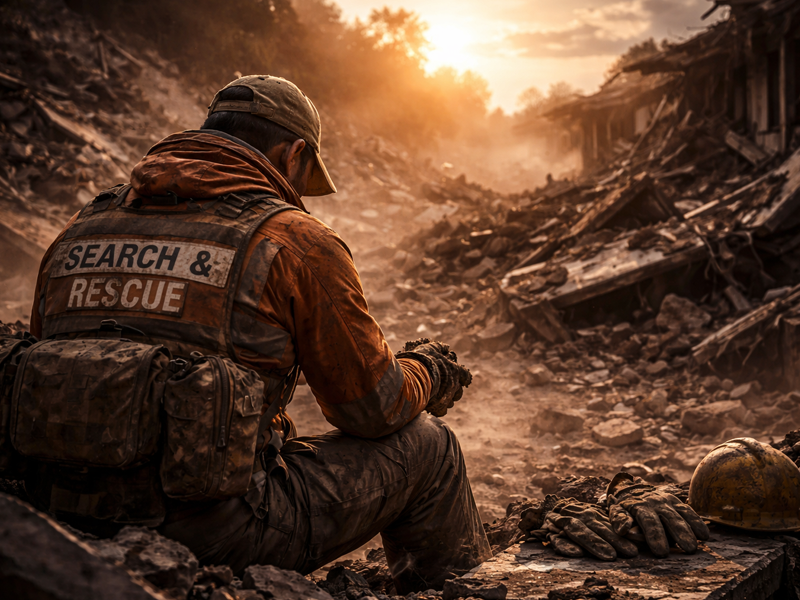
Handlers form deep bonds with their dogs, built on trust, communication, and shared purpose. Together, they navigate challenging environments, collapsed buildings, dense forests, or disaster zones, where outcomes are unpredictable. The emotional toll is particularly heavy when searches end in recovery rather than rescue. Repeated exposure to loss and grief can quietly affect both handler and dog.
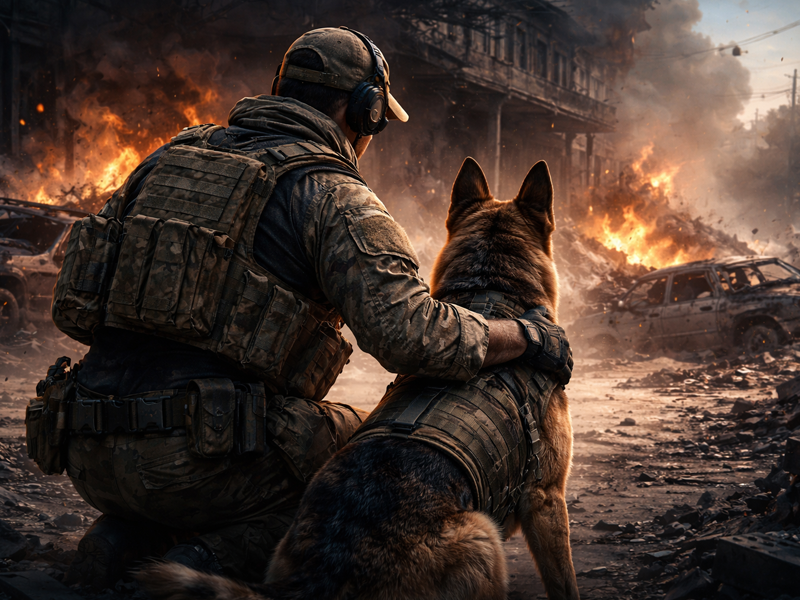
Research dogs are remarkably perceptive. They can sense human emotions and often reflect the stress or sadness of their handlers. While trained to stay focused, they are not immune to the emotional atmosphere surrounding their work. Handlers, in turn, must care for their dogs’ well-being while maintaining operational readiness.
Managing this emotional strain requires resilience and support. Many handlers rely on peer support, structured debriefings, and periods of rest to preserve mental health. Recognizing and addressing these challenges is essential to ensure both effectiveness and long-term well-being.
Ultimately, search and recovery work is not just about finding answers, it’s about courage, compassion, and the extraordinary bond between humans and their canine partners.